Recently, while riding in the backseat after hitching a ride from Горно Дряново (Gorno Dryanovo) to Gotse Delchev, I sat in uncomfortable silence waiting for the uncomfortable small talk to commence. When it did, the questions were typical … Where are you from? How long have you been in Bulgaria? How long will you stay? What are you doing here? Where do you live? How do you like Bulgaria? After answering all these questions, I was asked whether I liked Gorno Dryanovo and how it compared to a some of the other places in Bulgaria. Without hesitation, I responded, “Тук е най-добре (Here is the best).” I had meant to say, “Тук е по-добре (It is better here),” but I couldn’t be bothered to correct my mistake and so I let it go.
Sometime later, I thought about our conversation and, at first, was upset with myself for making such a silly mistake. But then I thought about it further and realized that I had said exactly what I meant.
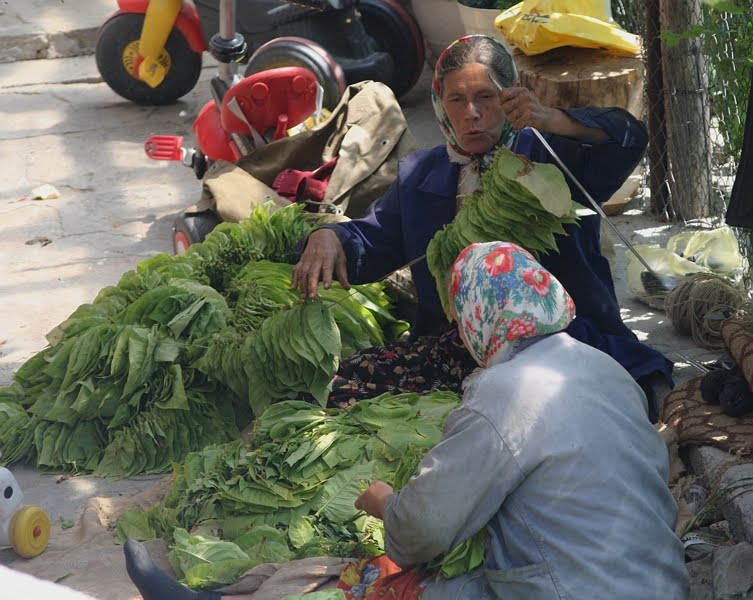
Gorno Dryanovo isn’t unlike any number of villages tucked into the Rhodopes. Home to a close-knit, small community of approximately 900 Помаци (Pomaks), it’s not the kind of place that is written up in guidebooks or hyped on the internet. And given the insular nature of the place, it probably shouldn’t be. But that’s part of what makes it (and presumably similar such communities) so special, and, when you have a way in, so worth visiting. It’s a place where people live simply and have very little, but what they do have is all that really matters: each other, some land, a work ethic, and a sense of community and family.
Everywhere we went as we walked around town, we were greeted by little kids who upon seeing us said, “Hello.” After responding in kind, the kids invariably asked, “How are you?” The conversation rarely went further, but it didn’t have to. A year ago, none of these kids spoke any English. None of them had ever been taught English. And here they were, saying “Hello. How are you?” with only a hint of a Bulgarian accent. When these kids speak English, they sound amazingly like their teacher, a twenty-something Peace Corps volunteer from Minnesota: same accent, same tone, same stress, same intonation. And their eyes and smiling faces reflect their teacher's friendliness, optimisim, and hope. More importantly, you can see how much they and many of the other villagers care for their adopted aunt/sister/daughter and all of her friends. Almost without exception, we were greeted by smiling faces, kind words, and bags of fresh cucumbers, tomatoes, peppers, and other fruits and veggies.
Some people think that the Peace Corps can and should be more. Maybe it can, but why should it be? Gorno Dryanovo isn't perfect. Far from it, the place has plenty of things not to like about it. But it's the kind of place which restores your faith in all things good - including the Peace Corps - and those kids had me at “Hello.”